

A Voice for the Voiceless
Lasantha Wickrematunge (April 5, 1958 – January 8, 2009) was a Sri Lankan journalist, editor of The Sunday Leader, politician, broadcaster, and staunch human rights activist.
He co‑founded The Sunday Leader in 1994 with his brother Lal, creating a fierce, independent weekly known for investigative reporting into government corruption, wartime abuses, and official misconduct, particularly during the administration of Mahinda Rajapaksa. He also contributed as a freelance reporter for TIME magazine, bravely navigating one of the most repressive environments for journalists anywhere.
Media Works and Legacy
Lasantha’s writings exposed high‑level corruption and human‑rights violations during Sri Lanka’s decades‑long civil war. He authored scathing editorials and investigations that challenged power, earning widespread recognition and multiple awards including the Transparency International Integrity Award in 2000, the UNESCO/Guillermo Cano World Press Freedom Prize in 2009, and several posthumous honors for conscience and integrity.
He prerecorded a powerful editorial—later published as Letter from the Grave—in which he predicted his own murder, writing: “When finally I am killed, it will be the government that kills me.” That essay was published just days after his death and has since become one of journalism’s most unforgettable manifestos.
In March 2025, his ex‑wife, Raine Wickrematunge, published a biography titled Unbowed and Unafraid, documenting his life’s work, his pursuit of justice, and his ultimate sacrifice. A recent documentary directed by K. Sanjeewa further captures his life, work, and enduring legacy.

Threats and the Assassination
In the months leading up to January 8, 2009, Lasantha received repeated death threats via phone and anonymous messages. His wife at the time, Sonali Samarasinghe‑Wickrematunge, stated that they were regularly followed by motorcycles and cars. The threats intensified as his investigations deepened, particularly those targeting high-profile individuals and military operations.
His home and newspaper office had been attacked multiple times. In 1995, masked men physically assaulted him and his wife. In 1998, his home was sprayed with bullets. In 2005 and 2007, the Sunday Leader printing press was torched by masked individuals after he published high-impact exposés.
On the morning of January 8, 2009, while driving to work in Colombo, Lasantha was ambushed by a group of helmeted men on motorbikes. They smashed his car windows and shot him at close range through the windshield. He died later that day in the hospital. The location of the attack was mere meters away from a military checkpoint, yet the attackers were neither stopped nor apprehended—intensifying suspicion of state involvement.
Subsequent investigations have pointed to possible complicity by senior officials, including then-defense secretary Gotabaya Rajapaksa. Forensic data and mobile tower records suggest coordination by individuals within state intelligence. However, more than a decade later, no one has been convicted for the crime.
In early 2025, Sri Lankan authorities controversially released three suspects, including a senior police officer, prompting public outrage and renewed calls from journalists’ unions and human rights defenders to re-open the case and bring justice.
The Value of His Life and the Cost of Truth
Lasantha Wickrematunge’s life stood as a monument to principled, courageous journalism. He chose truth over comfort, and conscience over safety, knowing full well that exposing corruption and state abuse might cost him his life. But he believed that his work could spark change and inspire resistance to repression.
His murder drew international condemnation and exposed the severe risks journalists face in environments where impunity and state suppression dominate. Despite the lack of justice, his voice continues to echo in courtrooms, classrooms, and newsrooms around the world.
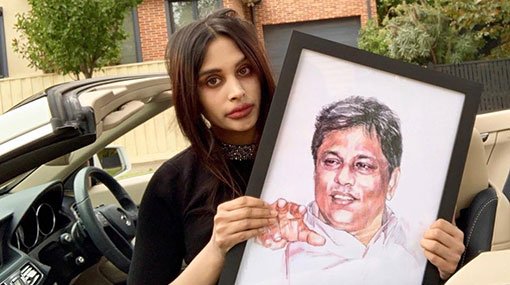
His three children, extended family, and widow have lived under the shadow of grief and exile. His daughter, Ahimsa Wickrematunge, who was only 17 at the time of his death, has since spoken globally about her father’s legacy and the urgent need for justice and media protection.
Journalists’ Rights and Family Protections
Press Freedom and Legal Safeguards
All journalists have the right to life, security, freedom of expression, and protection under both domestic and international law. Governments have a legal and moral obligation to:
- Conduct impartial, independent investigations into attacks on journalists
- Prosecute perpetrators and prevent future violations
- Provide psychosocial and legal support to victims and families
- Create an environment where media institutions can function freely without fear or censorship
Lasantha’s assassination remains a clear example of how states can fail these obligations. It has created a chilling effect on Sri Lankan journalism, leading to widespread self-censorship and fear among media professionals.
Families’ Rights and Legacy
When a journalist is killed, their family is often left to face continued threats, forced exile, financial hardship, and the burden of seeking justice alone. Ethical and legal frameworks must ensure:
- Safety guarantees and protection for families of targeted journalists
- Compensation or reparations where appropriate
- Public and institutional recognition of the journalist’s contribution
- Inclusion of families in any official truth and justice processes
Lasantha’s family continues to fight, not only for his memory but for broader protections for all Sri Lankan journalists facing similar risks.
Conclusion
Lasantha Wickrematunge’s assassination on January 8, 2009, marked a dark chapter in Sri Lanka’s press history. But it also sparked a flame of resistance that has yet to be extinguished. His words, especially his final editorial, remind the world that silence in the face of injustice is complicity—and that the press must always remain free to question power.
His killers may still walk free, but the legacy Lasantha left behind is one of moral clarity, fearless courage, and an unyielding demand for justice. Honoring him means standing up for every journalist threatened, every truth buried, and every voice silenced.
🕯️ In Memory
Lasantha’s life was not taken in vain. Though his assassins remain unpunished, his story continues to inspire journalists, advocates, and defenders of press freedom worldwide. His words live on. So does his fight.